
Why a Shiatsu Massager Belongs in Your Self-Care Routine
Self-care often sounds like a major lifestyle project, yet the most useful habits are usually simple enough to repeat. A few quiet minutes with a Shiatsu massager can turn an ordinary evening into a deliberate pause, helping your body release built-up tension while your mind shifts away from work, errands, and screens.
Shiatsu-inspired devices use rotating or kneading nodes to imitate the focused pressure of a hands-on massage. Depending on the model, they may target the neck, shoulders, back, feet, or legs. Heat, adjustable intensity, and portable designs can make the experience feel more personalized.
A massager does not replace medical care or professional treatment, but it can become a practical part of a broader wellness routine. When paired with sleep, hydration, gentle movement, and comfortable surroundings, regular massage may help you feel more relaxed and physically refreshed.
Why targeted pressure feels restorative
Muscle tension often collects in predictable places. Long hours at a desk can tighten the neck and upper back, while standing, commuting, or exercising may leave the feet and calves feeling heavy. A Shiatsu massager offers concentrated pressure in areas that are difficult to reach with stretching alone.
The kneading motion can encourage you to slow your breathing and pay attention to physical sensations. That shift in focus matters because stress frequently keeps the body in a state of alertness. A short massage session gives you a clear transition between daytime responsibilities and evening recovery.
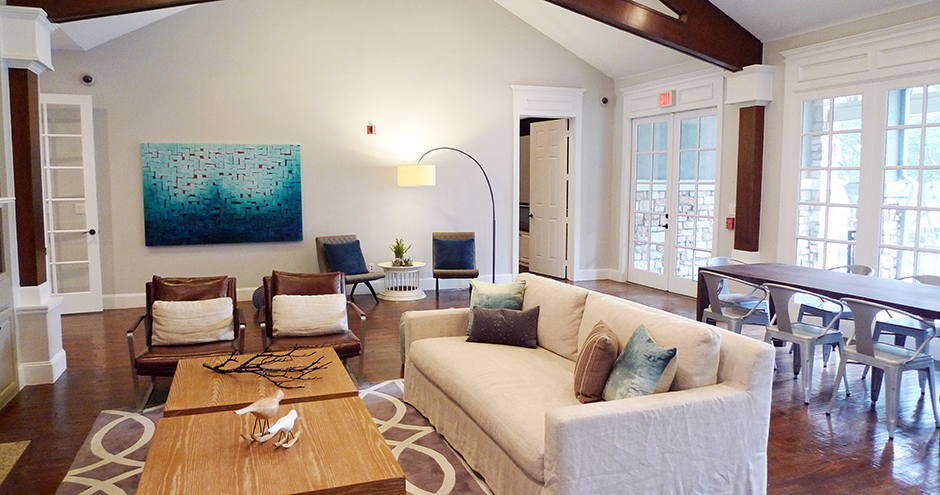
Your setting also influences the experience. Dim lighting, comfortable clothing, and a supportive cushion can make a brief session feel more intentional. If you are arranging a new living space, practical apartment FAQs may help with everyday planning, leaving you more room to establish a calm corner for personal wellness.
Benefits beyond temporary relief
The most immediate benefit is often a feeling of looseness in tired muscles. Kneading pressure can make the neck, shoulders, lower back, or feet feel less tense after a demanding day. Many people also enjoy the soothing warmth available on selected models, especially during colder months.
Relaxation before bedtime is another reason to consider massage equipment. A consistent wind-down ritual can signal that the active part of the day is over. Using a device at a moderate setting, followed by quiet reading or slow breathing, may help create conditions that support better sleep.
There is also a psychological benefit to having a wellness tool within reach. When relief requires a complicated appointment or a long journey, it is easy to postpone. A compact massager keeps a small recovery option at home, making it easier to respond to tension before it becomes part of your normal routine.
Choosing the right fit for your needs
Different body areas call for different designs. A neck and shoulder massager is useful for desk-related tightness, while a foot massager may appeal to people who spend much of the day standing. Full-back cushions can provide broader coverage, and handheld models offer flexibility for the arms, calves, and upper back.
Look for adjustable intensity rather than assuming the strongest setting is the most effective. Gentle or moderate pressure is often more comfortable for regular use. Heat can add a cozy quality, but it should be optional so that you can choose what feels appropriate on a particular day.
Size and maintenance matter as much as features. A device that is easy to store is more likely to be used consistently. Removable covers, simple controls, and a manageable power cord can improve convenience. A soft robe, supportive slippers, or complementary wellness accessories can also make the ritual feel comfortable without turning it into an elaborate production.
| Feature | Why it matters | Best suited to |
|---|---|---|
| Adjustable intensity | Helps you control comfort and pressure | First-time users and frequent use |
| Optional heat | Adds warmth and a relaxing sensation | Cold evenings and stiff-feeling muscles |
| Targeted design | Focuses on a specific area | Neck, shoulders, feet, or lower back |
| Portable construction | Makes storage and use easier | Small homes, offices, and travel |
| Removable cover | Supports easier cleaning | Regular household use |
| Automatic timer | Helps limit session length | People who prefer guided routines |
How to use it safely
Start with a short session at a low or medium intensity. Five to ten minutes is enough to learn how the device feels. If the pressure is uncomfortable, sharp, numb, or irritating, stop and reposition the massager rather than trying to tolerate it.
Avoid placing a massage device directly over open wounds, irritated skin, recent injuries, or areas with unexplained swelling. It is also wise to follow the manufacturer’s instructions about heat, duration, and body position. A massager should feel soothing, never punishing.
People with certain medical conditions may need professional guidance before using heat or deep pressure. This includes individuals with circulation problems, reduced sensation, osteoporosis, pregnancy-related concerns, or recent surgery. A healthcare professional can help determine whether a Shiatsu-style device is appropriate and which settings to avoid.
Build a routine that lasts
Consistency is easier when massage has a clear place in your day. You might use a neck massager after closing your laptop, a foot device while listening to music, or a back cushion before your evening reading. Connecting the session to an existing habit removes the need to make a fresh decision every time.
Keep the routine realistic. Ten minutes several times a week is more sustainable than promising yourself a long session every night. You can adjust the frequency according to your schedule, energy levels, and comfort. The goal is to create a reliable pause, not another obligation.
Pay attention to how you feel before and after use. Notice whether your shoulders drop, your breathing slows, or your feet feel less fatigued. Tracking these small changes helps you identify which body areas, times of day, and intensity levels provide the greatest benefit.
Make self-care practical and personal
A Shiatsu massager works best as one element of a balanced routine. Pair it with light stretching, regular movement, sufficient water, and a comfortable sleep environment. If your tension comes from a workstation, review your chair height, monitor position, and keyboard placement as well. Massage can ease discomfort temporarily, while ergonomic adjustments address some of the habits that create it.
Personal comfort also affects whether a routine becomes enjoyable. Choose clothing that does not restrict movement, keep the device where you can easily reach it, and use a clean towel or cover when needed. A peaceful playlist or a few minutes of breathing exercises can make the session feel more restorative.
For affordable additions to a home wellness setup, consider products that support comfort without taking over your space. A useful pillow, soft loungewear, or a simple accessory can complement a massager while keeping the focus on relaxation. The best routine is one that fits your home, budget, and everyday preferences.
Simple ways to get more from your massager
- Begin with low pressure and increase the intensity only if the sensation remains comfortable.
- Keep sessions short at first, then adjust the duration according to the device instructions.
- Use massage after demanding activities rather than waiting until tension becomes severe.
- Clean and store the massager properly so it remains ready for regular use.
- Stop if you experience pain, dizziness, unusual swelling, or persistent discomfort, and seek medical advice when appropriate.
Making room for recovery does not require a complicated schedule or expensive appointments. A Shiatsu massager can offer a convenient way to pause, soften everyday muscle tension, and create a stronger connection between comfort and routine. Explore wellness products alongside clothing, accessories, and other everyday comforts, then shop the collection to find practical additions that make your personal space feel more relaxing.